

- Who benefits from a build-to-suit lease contract?
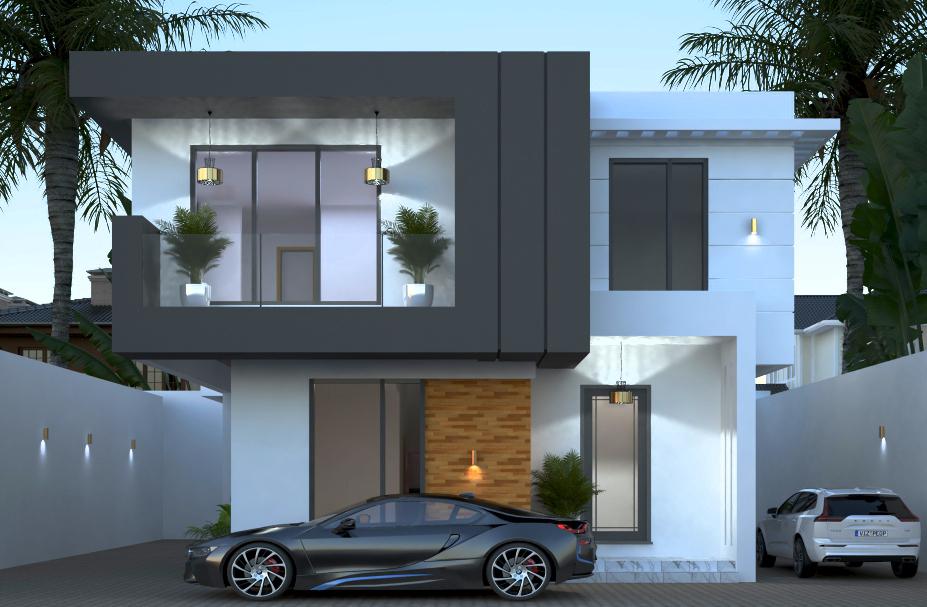
- How does a build-to-suit contract work?

- What types of build-to-suit leases exist?
No matter what type of service you plan to begin, you need to discover the ideal residential or commercial property for your upcoming organization operations and requirements. It's not adequate to discover any building you can afford; you need the best building in the best place at the best cost. Since it's normally better to purchase company space tailored exactly for your business's requirements, you'll wish to pursue a build-to-suit lease instead of a typical business realty agreement.
Many individuals don't understand what a build-to-suit is, not to mention how they can obtain one. But by comprehending all the aspects of build-to-suit leases, you'll be able to significantly increase your company's efficiency, earnings margins, and even your clients' experiences. This post will break down everything you require to understand about build-to-suit leases, including how they work and how you can acquire one.
What is a Build-to-Suit Lease?
A build-to-suit lease is a property agreement between a developer and proprietor to construct and later on lease an industrial building that meets specific and/or special tenant requirements. For instance, if a company owner needs a particular building built for their approaching company venture, they might pick to sign a build-to-suit lease with a designer. The developer will then construct the commercial property residential or commercial property to the business owner's specs and consist of unique building components or design options to accommodate their requirements.
To ensure that a designer will not be left hanging after a pricey building project, build-to-suit leases generally include a contractual commitment needing the lessor to rent the residential or commercial property when building and construction ends. The developer then becomes the property owner and gets rent payments for a specified time, generally between 10 and 20 years. In this way, build-to-suit leases are unique because designers do not construct structures with the intent to sell them after building and construction is finished. Entrepreneur can be taken legal action against or deal with legal liability if they fail to follow their end of the contract.
Who Benefits from a Build-to-Suit Lease Agreement?
The advantages of build-to-suit lease agreements are basic: company owners can incorporate special or difficult-to-find components into a future building to much better serve their commercial ventures. For example, if an entrepreneur needs a new type of structure with additional area for showcasing customized bikes, a build-to-suit lease contract could permit them to get precisely the building they need rather than having to compromise by selecting from available business residential or commercial properties.
Developers gain from build-to-suit lease arrangements because they get consistent, trusted earnings from the lessor. They do not need to wait for someone to purchase the residential or commercial property they've built. The security of a build-to-suit agreement ensures that entrepreneur are not easily able to back out of the lease if they change their minds later on. Both celebrations can potentially benefit from build-to-suit leases due to several benefits. For instance, organizations that make lease payments on build-to-suit leases take pleasure in 100% tax deductibility for those payments. Additionally, it's often more cost effective for organizations to develop a tailored residential or commercial property without owning it for decades. Entrepreneur can use the cash they conserve from leasing a build-to-suit residential or commercial property for other things since they don't have to purchase a commercial building outright. Some renters that may find build-to-suit leases beneficial include:
- Tenants who require to lower their rental/mortgage rates
- Business owners who wish to use some of their seed capital for other financial investments
- Entrepreneurs who have very specific operating requirements that are hard to find in other industrial areas
- Tenants who need tax advantages since the rental payments for a build-to-suit structure are tax-deductible
- Develops who would prefer steady rental income from long-term customers
- Developers who wish to diversify their portfolios
How Does a Build-to-Suit Contract Work?
A build-to-suit contract is simply as complex as other lease arrangements, and it involves a range of logistics and negotiations before either celebration will want to sign. It's never ever a good concept to rush into a rental contract no matter what, however particularly for commercial realty residential or commercial properties. Let's break down the most essential components of a normal build-to-suit lease.
Signing Parties
These are just the involved parties of the agreement, like the tenant, proprietor, occupant contacts, guarantor, and more.
Renewal Options
This area of the agreement offers the occupant the alternative to renew or extend the lease agreement beyond the preliminary terms. Note that this is not a responsibility, however.
Detailed Premises Description
This is an in-depth and lawfully relevant description of the residential or commercial property to be constructed, including its boundaries, additions and specifically requested functions, and more.
Lease Terms
These are the particular terms of the lease, such as the amount of time through which the lessor should make on-time and regular rental payments.
Proposed Rent
This is how much lease the developer proposes to the lessor. The proprietor always determines the proposed lease in a build-to-suit lease.
Restrictions and Nature of Use
Some build-to-suit contracts include stipulations that explain the nature of the building, what it is meant to be utilized for, and any constraints for the building that may apply.
Taxes
A build-to-suit lease agreement will likewise consist of any tax payments made to the proprietor or the taxing authority.
Maintenance and Repair
Most build-to-suit leases put the concern of upkeep jobs and repair work or replacement of the residential or commercial property on the renter.
Plans and Approvals
Most build-to-suit leases also include a breakdown of specific structure plans and specifications so that both celebrations understand what is meant to be developed.
While the above components are a few of the most important in a common build-to-suit lease, there are many more you should familiarize yourself with before signing any of these contracts.
What Kinds Of Build-to-Suit Leases Exist?
Build-to-suit leases exist in a variety of forms to better match various entrepreneur or developer constraints. Let's check out the different kinds of build-to-suit leases you might experience or pursue.
Single net leases (N) require the tenant to pay lease plus a "pro-rate" share of the structure's overall residential or commercial property taxes, as well as utilities and janitorial service expenses. The proprietor covers any other structure expenditures.
Double net leases (NN) require the occupant to pay residential or commercial property taxes and insurance premiums on top of their rental payments. The property owner pays for outside and any typical maintenance location costs (CAM charges).
Triple internet leases (NNN) need the tenant to spend for any expenditures involved with running the residential or commercial property, including lease, repaired and variable maintenance expenditures, property tax, building insurance, and much more. The property owner is just responsible for structural repair costs.
Absolute Net Lease
Absolute net leases are more stiff than the other lease types. Also called bondable leases, outright net leases state that the tenant is accountable for any structure expenses, including those related to fixing or preserving the residential or commercial property's structure and roof.
Reverse Build-to-Suit Lease
Reverse build-to-suit leases are drawn up when the tenant acts as the developer. In these cases, renters construct buildings upon approval from the property manager while on the landlord's cent. This kind of lease is generally pursued when an occupant has their own property or construction business but would choose to rent the residential or commercial property instead of own it after it is constructed.
Build-to-suit leases are unique property contracts that allow company owners to develop industrial residential or commercial properties that completely fit their needs. In exchange, they rent the completed residential or commercial property from the developer who constructed the realty, paying them rent over 10 to twenty years.
All investor ought to comprehend the perfect opportunities for a build-to-suit lease thanks to their advantages to developers and future tenants.
Ready to start taking advantage of the current opportunities in the realty market? Click the banner below to take a 90-minute online training class and start discovering how to invest in today's realty market!


